New Jersey Oral Health Grants 2026: A Dental Care Guide
The New Jersey Oral Health Grants 2026 provide critical funding to organizations improving dental care access for underserved communities. These grants focus on preventive care, community education, and accessible services. Eligible non-profits and community health centers can apply to secure financial support and transform local dental health outcomes!
Have you ever tried to power through a terrible toothache? It is absolutely exhausting, and it affects everything from your mood to your ability to eat! Now, think about facing that kind of pain without a dentist nearby or the resources to pay for a visit. Unfortunately, this is a daily reality for thousands of families. Oral health is a critical part of our overall well-being, yet so many people in underserved communities simply cannot access the care they need.
In New Jersey, the gap between those who can access top-notch dental care and those who cannot is a serious problem. Families face long travel times to clinics, high out-of-pocket costs, and a lack of local resources. But there is a bright light on the horizon!
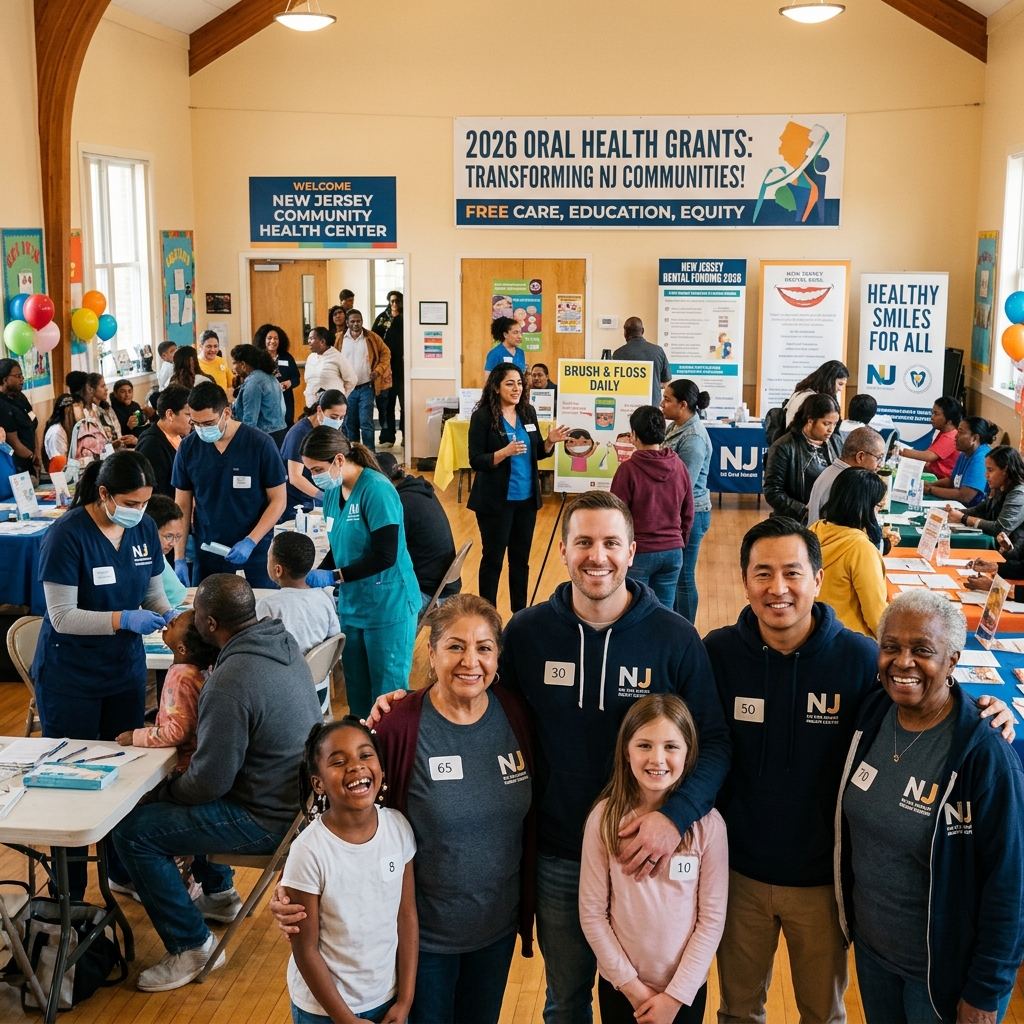
The New Jersey Oral Health Grants 2026 offer a truly transformative opportunity to address these dental disparities head-on. By providing targeted funding to community organizations, these grants are set to bring healthy smiles to the neighborhoods that need them most! Let’s dive into exactly what these grants entail and how you can get involved.
Why do underserved communities in New Jersey need better dental care?
When we look at the landscape of oral health in New Jersey, the disparities are striking. Communities with lower median incomes consistently report higher rates of untreated tooth decay and gum disease.
Several major factors contribute to these disparities:
- Prohibitive costs: Even with state assistance programs, out-of-pocket expenses for complex dental work can overwhelm a family’s budget.
- Limited access: Many rural and inner-city areas lack enough practicing dentists to serve the local population.
- Awareness and education: Without regular check-ups, families often miss out on crucial education about brushing, flossing, and diet.
Poor oral health does not just mean a few cavities. It can lead to severe infections, exacerbate chronic conditions like diabetes, and even impact economic stability. Adults with visible dental issues often face unfair challenges during job interviews, while kids with toothaches miss critical days of school. We absolutely must do better!
What are the New Jersey Oral Health Grants 2026?
The New Jersey Oral Health Grants 2026 are state and federally-backed funding initiatives designed to close the gap in dental care access. The primary objective is to empower local organizations to build sustainable, high-quality dental programs for underserved populations.
Here are the key focus areas for the 2026 funding cycle:
- Preventive care: Funding mobile dental clinics and community screenings to catch problems before they become painful emergencies.
- Education: Creating fun, engaging programs in schools to teach kids how to take care of their teeth.
- Access to services: Helping existing clinics expand their hours or hire more pediatric dental specialists.
Who is eligible for the New Jersey Oral Health Grants 2026?
Eligibility is geared toward groups already doing the hard work on the ground. Federally Qualified Health Centers (FQHCs), local non-profits, school districts, and community-based health coalitions are typically the best fit.
Smaller community education projects might receive focused micro-grants, while large-scale mobile clinic rollouts can secure substantial funding to cover vehicles, equipment, and staffing.
How can organizations apply for the 2026 New Jersey dental grants?
Applying for a grant can feel overwhelming, but breaking it down into manageable steps makes the process a breeze! I always recommend starting early so you have plenty of time to gather your materials.
Step 1: Gather your pre-application requirements
You will also need hard data demonstrating the specific dental needs of your target community.
Step 2: Navigate the application portal
The state uses a centralized online portal for submissions. Create your account early! Familiarize yourself with the interface so you are not scrambling to upload PDFs five minutes before the deadline.
Step 3: Craft a compelling proposal
This is where you get to shine! A winning proposal clearly outlines the problem and presents a measurable, realistic solution. Do not just say you want to “help people.” Say you plan to “provide dental sealants to 500 second-graders in the Newark school district by December 2026.”
Step 4: Follow top tips for grant success
Collaboration is key! Partner with local schools, community centers, and volunteer dentists. Reviewers love to see that the whole community is rallying behind your initiative.
How can grant recipients maximize their impact in underserved areas?
Winning the funding is just the beginning! To truly make a difference, you need to implement strategies that resonate with the people you are trying to reach.
First, think outside the traditional clinic box. Innovative programs, like hosting a “Dental Fun Day” at a local park with free screenings and bouncy houses, can break down the fear and stigma often associated with the dentist.
Community engagement is also crucial. Hire local community health workers who speak the language and understand the cultural nuances of the neighborhood. When people see familiar, trusted faces, they are much more likely to participate.
Finally, track your progress meticulously. Use specialized software to monitor how many patients you see and the types of treatments provided. This data is vital for reporting back to the grant providers and securing additional funding to sustain your initiative beyond 2026!
What do successful oral health initiatives look like?
Let’s look at what is possible when communities get the resources they need!
Consider a hypothetical program called “Smiles on the Move.” By securing a grant similar to the New Jersey Oral Health Grants 2026, a local non-profit could purchase a fully equipped dental RV. This mobile clinic could travel to different elementary schools every week, providing cleanings, fluoride varnishes, and sealants right in the school parking lot! Parents wouldn’t have to take time off work, and kids wouldn’t miss a whole day of class.
Another amazing example is training local nurses to apply fluoride varnish during routine pediatric check-ups. By integrating dental health into general medical visits, communities can dramatically reduce early childhood tooth decay. These are exactly the types of outcomes the 2026 grants aim to achieve!
Ready to transform New Jersey’s dental health future?
The long-term vision for oral health in New Jersey is a state where your zip code does not dictate the health of your smile. The New Jersey Oral Health Grants 2026 are a massive step in the right direction.
If you are part of a community organization, I highly encourage you to look into these grants. Start having conversations with your team today, gather your data, and get ready to submit a proposal that could literally change lives. Let’s work together to ensure everyone in New Jersey has a reason to smile brightly!
Frequently Asked Questions (FAQ)
How much funding is available through the New Jersey Oral Health Grants 2026?
Funding amounts vary widely depending on the specific track you apply for. Small community education grants may offer a few thousand dollars, while comprehensive clinical expansion grants can provide substantial six-figure funding. Always check the official grant guidelines for specific funding caps.
What is the timeline for the 2026 grant application process?
Typically, the state announces the request for proposals (RFP) in the fall of the preceding year. Organizations should expect to submit their applications by early spring of 2026, with funds disbursed by the summer.
Can private dental practices apply for these grants?
Generally, the New Jersey Oral Health Grants 2026 prioritize non-profit organizations, public schools, and Federally Qualified Health Centers (FQHCs). Private practices may not be eligible as direct recipients but can often partner with local non-profits to provide care.
What are the reporting requirements if my organization wins a grant?
Grant recipients are usually required to submit quarterly progress reports detailing how the funds were spent, the number of community members served, and the measurable outcomes of the project compared to the initial proposal goals.
