
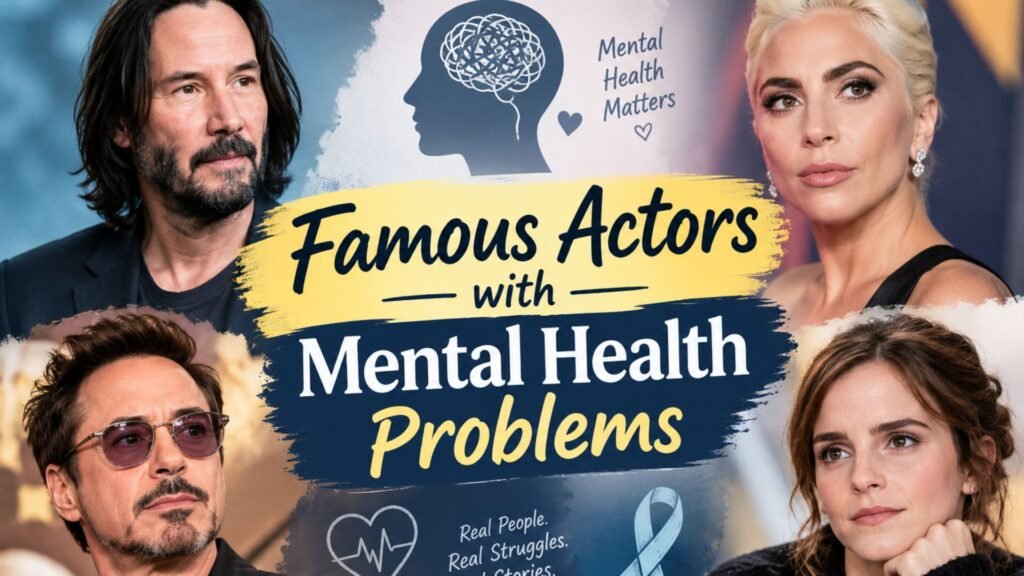
Famous Actors with Mental Health Problems: Their Stories, Struggles, and Recovery
Mental health challenges can affect anyone, regardless of fame, wealth, or success. Many famous actors with mental health problems have openly shared their personal struggles to help others feel less alone. From anxiety and depression to bipolar disorder and panic attacks, these challenges can affect daily life, relationships, and careers. The pressure of Hollywood, public attention, and demanding schedules can make life especially difficult for actors. However, many celebrities have found ways to manage their mental well-being and encourage others to seek support.
Their stories remind us that mental health deserves attention, understanding, and compassion. Learning about their experiences can also help break stigma and promote honest conversations about mental health.
1. Why Mental Health Problems Affect Famous Actors
Behind the glamour of celebrity life, actors face many of the same emotional challenges as everyone else. They may experience stress and public pressure, demanding work schedules, financial uncertainty, and difficult relationships. Unlike many people, however, their personal lives can become public entertainment. Constant attention may make ordinary problems harder to manage.
The celebrity lifestyle can also disrupt sleep, routines, and close relationships. An actor may travel for months, work long hours, or face harsh criticism after a film release. These experiences don’t automatically cause a mental health condition. However, they can add strain, especially when someone already struggles emotionally or lacks a dependable support system.
Are Famous Actors More Likely to Experience Mental Health Problems?
It’s difficult to say that actors experience mental health conditions more often than everyone else without strong comparative evidence. Fame creates particular pressures, but it doesn’t automatically lead to illness. Personal history, genetics, life events, and access to support can all influence someone’s mental health.
Why Celebrities Often Keep Mental Health Struggles Private
Many performers worry that personal disclosures could affect their careers or public image. Others simply want to protect their families and private lives. These concerns can reinforce mental health stigma, making people feel they must hide their struggles. When celebrities choose to speak openly, they can help challenge that silence.
2. Famous Hollywood Actors Who Have Opened Up About Mental Health
Several Hollywood actors with mental illness have helped change how audiences discuss emotional struggles. Their public stories offer a glimpse into experiences that fame cannot erase. When discussing actors who have depression, it’s important to rely on their own statements instead of rumors or online speculation.
These actors have shared different experiences, from anxiety and depression to challenges involving treatment and recovery. Their stories aren’t proof that every performer faces the same difficulties. Instead, they show how celebrities who speak about mental health can help people recognize that seeking support is normal.
Robin Williams and His Mental Health Struggles
Robin Williams brought joy to millions through comedy and film, yet his final years included serious health challenges. After his death in 2014, doctors found that he had Lewy body dementia, a neurological disease that can affect thinking, movement, sleep, and behavior. His story should not be reduced to a simple account of depression because his medical condition was complex.
Williams’ experience also reminds readers to avoid guessing about a person’s health from public appearances. Someone may seem cheerful at work while facing difficulties privately. His legacy continues to encourage compassion, honest conversations, and greater understanding of conditions that affect the brain and behavior.
Dwayne Johnson and Depression
Dwayne Johnson has publicly discussed experiencing depression during difficult periods of his life. He has spoken about the emotional impact of setbacks and the importance of talking with people who care. His experience challenges the idea that strength, physical fitness, or professional success makes someone immune to emotional pain.
Johnson’s story also shows why people shouldn’t judge mental health by appearance. A person may look confident and successful while struggling internally. Reaching out to trusted friends, family, or qualified professionals can be an important step toward better emotional well-being.
Ryan Reynolds and Anxiety
Ryan Reynolds has spoken about experiencing anxiety, including nervousness connected to public appearances and professional demands. His comments have helped bring attention to the fact that anxiety can affect people who appear confident on screen. Being funny or outgoing doesn’t mean someone never feels overwhelmed.
For people struggling with anxiety, Reynolds’ openness can make the subject easier to discuss. However, every person’s symptoms and needs differ. If anxiety begins to interfere with work, sleep, relationships, or everyday activities, professional guidance can help someone understand what is happening and explore useful options.
Ben Affleck and Depression
Ben Affleck has publicly discussed depression and his experiences with treatment. His comments have helped make conversations about mental health more visible in an industry where public image can feel closely tied to career opportunities. His experience also highlights that treatment and recovery may require continued attention over time.
Affleck’s story shouldn’t be treated as a simple success-or-failure narrative. Mental health rarely follows a straight path, and one person’s experience cannot represent everyone. His public comments are a useful reminder that asking for help is a practical decision, not a personal weakness.
Jim Carrey and Depression
Jim Carrey has spoken publicly about depression and his reflections on happiness, identity, and emotional life. His experience challenges the assumption that making other people laugh means feeling happy all the time. Comedy can be a profession, an art, and a way to connect with others, but it doesn’t reveal everything about a performer’s private life.
When readers learn about actors who battled depression, they should remember that public accounts are personal stories, not medical guides. Depression can affect energy, sleep, concentration, and interest in everyday activities. Anyone experiencing ongoing symptoms deserves understanding and access to appropriate care.
3. Famous Actresses Who Have Spoken About Mental Health
Women in entertainment may face pressure related to appearance, age, career choices, and public judgment. Some famous actresses with depression or anxiety have chosen to speak openly about their experiences. Their statements can help readers understand that emotional struggles aren’t limited to one gender, age group, or level of success.
These actresses have described different challenges and ways of seeking support. Their stories can encourage celebrity mental health awareness, especially when public discussions include accurate information and practical resources. It’s important, however, to distinguish what each person has confirmed from claims made by others.
Kristen Bell and Anxiety and Depression
Kristen Bell has discussed her experiences with anxiety and depression and has spoken about the importance of treatment. Her openness helps challenge the idea that people should manage emotional struggles alone. Mental health concerns can affect everyday routines even when someone continues working, caring for family, and meeting responsibilities.
Bell’s public comments also reinforce an important point: asking for help doesn’t erase a person’s strengths. Therapy and counseling can give people a place to understand their experiences and develop healthier responses. Treatment choices should depend on individual needs and guidance from qualified professionals.
Emma Stone and Anxiety
Emma Stone has discussed experiencing anxiety and panic attacks as a child. She has explained that therapy helped her, while acting and improv gave her useful ways to focus on the present. Her experience illustrates how anxiety can feel overwhelming even when others cannot see it.
Stone’s story can be especially meaningful for parents and young people who don’t know how to describe persistent worry. Anxiety may cause physical sensations, racing thoughts, or fear that something terrible will happen. Support from family and trained professionals can help someone learn how to respond to these experiences.
Catherine Zeta-Jones and Bipolar II Disorder
Catherine Zeta-Jones publicly disclosed that she had received treatment for bipolar II disorder. Her decision to discuss the condition helped bring attention to a diagnosis that is often misunderstood. Bipolar II disorder involves episodes of depression and hypomania, which differ from the more severe mania associated with bipolar I disorder.
Her experience offers a useful reminder that mental health conditions deserve care rather than judgment. People should not try to diagnose friends, relatives, or public figures based on their moods. Accurate information and professional mental health support are more helpful than labels or assumptions.
Lady Gaga and Post-Traumatic Stress Disorder
Lady Gaga has spoken publicly about trauma and post-traumatic stress disorder (PTSD). Her advocacy has helped bring attention to the lasting effects that traumatic experiences can have on a person’s life. PTSD can involve intrusive memories, avoidance, changes in mood, and feeling constantly on guard, although symptoms differ between individuals.
Gaga’s work also highlights the importance of listening without judgment. People who have experienced trauma may need time, safety, and specialized care before they feel ready to discuss what happened. A supportive response can make it easier to seek help, but nobody should feel pressured to share private details.
Selena Gomez and Mental Health Awareness
Selena Gomez has publicly discussed her diagnosis of bipolar disorder and her experiences with mental health care. She has also used interviews and media projects to encourage more open discussion. Her story helps show that a diagnosis doesn’t define a person’s entire identity, ambitions, or future.
Gomez’s advocacy has reached many young people who may feel uncertain about seeking support. However, celebrity experiences cannot replace individual medical advice. People with similar concerns should speak with qualified professionals who can assess their symptoms and discuss suitable care.
4. Bollywood Actors Who Have Discussed Mental Health Problems
Mental health conversations are growing across film industries worldwide. Bollywood actors with mental health issues have helped bring attention to depression, anxiety, and the barriers that can stop people from seeking care. Their experiences also show how family expectations and cultural stigma may influence whether someone feels comfortable discussing emotional struggles.
For American readers, these stories offer a wider view of mental health challenges in Hollywood and beyond. Mental health concerns are not limited to one country or culture. Although social attitudes and access to treatment vary, compassion and reliable information matter everywhere.
Deepika Padukone and Depression
Deepika Padukone has spoken about experiencing depression and seeking professional help. She later founded the LiveLoveLaugh Foundation, which works to raise awareness, reduce stigma, and improve access to mental health resources. The foundation explains that her personal experience helped inspire its work.
Padukone’s story demonstrates how a personal experience can lead to wider public advocacy. Her foundation provides information and supports initiatives related to mental health. Readers can learn more through the LiveLoveLaugh Foundation
https://www.thelivelovelaughfoundation.org/, which offers educational resources and information about its programs.
Shah Rukh Khan and Emotional Well-Being
Shah Rukh Khan has spoken in public interviews about personal setbacks, loss, and difficult periods in his life. Such reflections can help audiences understand that public success doesn’t remove ordinary human pain. However, personal sadness or a difficult period should not be presented as a confirmed medical diagnosis without reliable evidence.
His example highlights the importance of discussing emotional well-being without making assumptions. A person can experience grief, stress, or disappointment without necessarily having a mental health disorder. Careful reporting respects both the person’s privacy and the difference between everyday emotions and clinical conditions.
Hrithik Roshan and Mental Health Awareness
Hrithik Roshan has spoken about health challenges and the role of persistence in facing difficult periods. When covering his experiences, writers should rely on verified interviews and clearly explain what he actually disclosed. Avoid attributing a specific psychiatric diagnosis to him unless a reliable source confirms that he publicly shared it.
Responsible reporting matters because celebrity stories can spread quickly online. A vague interview quote may become an exaggerated claim after repeated sharing. Readers benefit most when articles separate confirmed facts from speculation and treat psychological health as a serious subject rather than entertainment.
Anushka Sharma and Anxiety
Anushka Sharma has discussed aspects of anxiety and mental health in public conversations. Any article describing her experiences should connect specific claims to trustworthy interviews or statements. It should not suggest that every stressful period or emotional reaction proves someone has a diagnosed disorder.
Her example also raises a wider point about public figures: they can encourage discussion without sharing every private detail. Readers don’t need complete access to someone’s medical history to respect their experience. Honest conversations can build understanding while allowing people to keep personal boundaries.
5. Common Mental Health Conditions Experienced by Actors
Actors may discuss many different mental health conditions, but each condition has its own signs and treatment needs. Depression, anxiety disorders, bipolar disorder, and PTSD are not interchangeable terms. Understanding these differences helps readers avoid stereotypes and recognize when someone may benefit from qualified care.
It’s also important to remember that public information about an actor may be incomplete. A person can experience distress without receiving a formal diagnosis, and similar symptoms can have different causes. Only qualified healthcare professionals can assess an individual’s situation and recommend appropriate mental health treatment.
| Condition | Common experiences | Possible forms of support |
| Depression | Low mood, loss of interest, fatigue, or changes in sleep | Therapy, medication when appropriate, and ongoing care |
| Anxiety disorders | Persistent worry, fear, tension, or panic symptoms | Therapy, coping skills, and sometimes medication |
| Bipolar disorder | Episodes of depression and mania or hypomania, depending on the type | Professional assessment, medication, and ongoing support |
| PTSD | Intrusive memories, avoidance, and feeling on guard after trauma | Trauma-informed therapy and other appropriate treatments |
Depression
Depression is more than feeling sad after a disappointing day. It can affect mood, energy, sleep, concentration, and interest in activities someone once enjoyed. Common depression symptoms may persist for weeks and interfere with everyday life. A healthcare professional can help assess these symptoms and discuss treatment options.
Anxiety Disorders and Panic Attacks
Anxiety becomes a concern when fear or worry is persistent, intense, or disruptive. Anxiety symptoms may include racing thoughts, muscle tension, trouble sleeping, or a pounding heart. Panic attacks can cause sudden, intense fear and physical sensations that feel frightening. Some actors who experienced panic attacks, including Emma Stone, have discussed these experiences publicly.
Bipolar Disorder
Bipolar disorder is a mental health condition involving episodes of depression and elevated mood. Depending on the type, elevated episodes may involve mania or hypomania. These changes are more complex than ordinary mood swings. Some celebrities diagnosed with bipolar disorder, including Selena Gomez, have spoken publicly about their experiences and the importance of care.
Post-Traumatic Stress Disorder (PTSD)
Post-traumatic stress disorder (PTSD) can develop after experiencing or witnessing a traumatic event. Symptoms may include unwanted memories, nightmares, avoiding reminders, or feeling unsafe even when immediate danger has passed. Not everyone who experiences trauma develops PTSD, and symptoms can vary. A qualified professional can assess concerns and discuss appropriate treatment.
Substance Use and Mental Health
Substance use and mental health concerns can sometimes occur together. Some people use alcohol or drugs to cope with distress, but these substances can also worsen symptoms or create additional problems. It’s important not to assume that a particular actor has a substance use disorder without verified information. Support should focus on safety, accurate assessment, and appropriate care.
6. How Fame and Hollywood Pressure Can Affect Mental Health
Fame can bring opportunity, but it can also make privacy difficult to protect. Actors may face public judgment about their appearance, relationships, performances, and personal choices. These mental health struggles of celebrities can become harder when online comments turn personal experiences into public debate.
However, fame affects people differently. Some performers enjoy public attention, while others find it draining. The mental health challenges in Hollywood are best understood as a mix of workplace demands, personal circumstances, and social pressures, rather than proof that every actor will develop a mental health condition.
Social Media, Online Criticism, and Public Scrutiny
Social media allows actors to connect directly with fans, but it also exposes them to rumors and hostile comments. A single post can attract thousands of opinions, many from strangers who know little about the person involved. Constant criticism may add stress, especially when private experiences become trending topics.
Setting boundaries online can help people protect their time and privacy. Muting accounts, limiting screen time, and avoiding arguments with strangers may reduce unnecessary pressure. These steps don’t replace treatment when needed, but they can form part of practical coping strategies.
Career Rejection and Job Insecurity
Acting work can be unpredictable. An actor may spend months preparing for a role, only to lose it during auditions or casting changes. Even successful performers can face periods without steady work. Financial uncertainty and repeated rejection may affect confidence, sleep, and relationships.
These pressures are not unique to celebrities. Many people experience similar concerns when their work depends on short contracts, competition, or decisions outside their control. Recognizing the shared nature of these challenges can help readers respond with empathy rather than assuming that fame solves every problem.
The Pressure to Look Perfect and Stay Relevant
Actors may face intense expectations about their bodies, skin, age, and public image. Online comparisons can make these demands feel even stronger. When a person’s appearance becomes part of their career, criticism can feel personal rather than professional.
A healthier industry would allow performers to age, change, and set boundaries without constant judgment. Audiences also play a role by avoiding cruel comments and remembering that public figures are human beings. Respectful discussion helps reduce stigma and creates more room for honest conversations.
7. How Famous Actors Manage Their Mental Health
There is no single approach that works for everyone. Actors may use therapy, medical care, supportive relationships, and daily routines to manage their well-being. Stories from celebrities who sought mental health treatment can help normalize seeking support, but each person’s plan should be based on their own needs and professional guidance.
It is also worth separating helpful habits from proven treatment. Exercise, sleep, and social connection can support well-being, yet they may not be enough on their own for a serious condition. Mental health recovery can involve different approaches, adjustments over time, and support during difficult periods.
Therapy and Professional Mental Health Support
Professional mental health support can help people understand their symptoms, identify patterns, and learn ways to cope. Different forms of therapy and counseling may help with anxiety, depression, trauma, or relationship difficulties. A qualified clinician can discuss which approach fits a person’s circumstances and goals.
Seeking help doesn’t mean someone has failed to cope. It means they are taking their concerns seriously. If symptoms persist, disrupt daily life, or become difficult to manage, speaking with a healthcare professional is a sensible step.
Medication and Evidence-Based Treatment
Medication can help some people manage mental health conditions, depending on the diagnosis and their individual needs. A qualified prescriber can explain possible benefits, side effects, and other options. Medication may be used alone or alongside therapy, but treatment decisions should never be based solely on a celebrity’s story.
People should not start, stop, or change prescribed medication without consulting their healthcare professional. Treatment may need review over time, and what works for one person may not work for another. Reliable care is personal, informed, and guided by qualified professionals.
Exercise, Sleep, and Healthy Daily Habits
Regular physical activity, consistent sleep, balanced meals, and time to relax can support overall well-being. A demanding schedule may make these habits difficult, especially when work involves travel or late-night filming. Small routines can help create stability during busy periods.
Still, healthy habits are not a cure-all. Someone experiencing serious depression, panic attacks, or other symptoms may need professional care as well. The goal is to build supportive routines without blaming people when symptoms don’t improve through lifestyle changes alone.
Family, Friends, and Support Networks
Trusted friends and family can provide comfort when someone feels overwhelmed. Sometimes the most helpful response is to listen without rushing to offer solutions. Asking what kind of support a person wants can prevent well-meaning advice from feeling dismissive.
Support networks work best when they respect privacy and encourage appropriate care. Loved ones can help someone find a clinician or attend an appointment if invited. They should not be expected to diagnose or treat a condition themselves.
8. How Actors Help Raise Awareness About Mental Health
Public figures can help people discuss topics they once felt ashamed to mention. When actors share personal experiences, they may encourage fans to learn about treatment and challenge harmful myths. This kind of mental health awareness can be valuable when stories are accurate, respectful, and clear about the limits of personal experience.
However, awareness should do more than generate headlines. It should connect readers with trustworthy information and useful support. The most effective mental health advocacy respects privacy, avoids sensational claims, and reminds people that professional care is available beyond the entertainment industry.
Celebrities Who Advocate for Mental Health Awareness
Deepika Padukone founded the LiveLoveLaugh Foundation
https://www.thelivelovelaughfoundation.org/ after sharing her experience with depression. Selena Gomez has also discussed mental health publicly, while Lady Gaga has supported initiatives related to mental health and trauma. Their efforts show how public attention can help bring these subjects into everyday conversation.
These public figures have different experiences and advocacy goals. Their stories should not be treated as medical advice, but they can encourage readers to seek reliable information. When famous celebrities with mental health issues speak responsibly, they can help make support feel more accessible to people who may otherwise remain silent.
Mental Health Foundations and Charitable Initiatives
Organizations can turn awareness into practical action through education, support programs, and treatment referrals. In the United States, the National Alliance on Mental Illness (NAMI)
https://www.nami.org/ provides information and support resources. The Substance Abuse and Mental Health Services Administration (SAMHSA)
https://www.samhsa.gov/ helps people find mental health and substance use services.
These organizations are useful because they offer more than celebrity stories. They help people understand their options and locate appropriate support. Readers can also explore the LiveLoveLaugh Foundation
https://www.thelivelovelaughfoundation.org/ for educational programs and resources focused on mental health awareness.
How Celebrity Stories Help Reduce Mental Health Stigma
People sometimes fear that discussing a mental health concern will lead to judgment or rejection. Public stories can challenge this belief by showing that emotional struggles affect people from many backgrounds. They can also help families recognize that mental health deserves the same care and attention as physical health.
Still, sharing a story is a personal choice. Nobody should feel pressured to disclose a diagnosis to educate others. Respecting privacy is part of reducing mental health stigma, and listening without judgment can make a meaningful difference in someone’s life.
9. What We Can Learn from Actors Who Share Their Mental Health Experiences
The experiences of public figures can remind us that success doesn’t guarantee happiness. Famous actors with mental health problems may have access to resources that others lack, yet they can still face difficult emotions and personal challenges. Their stories help show why empathy matters more than assumptions about someone’s lifestyle or achievements.
These accounts also encourage readers to focus on what they can control. You can learn about symptoms, support someone who is struggling, and seek help when needed. Building emotional resilience doesn’t mean avoiding every difficult feeling. It means developing ways to respond to challenges while recognizing when additional support is necessary.
Mental Health Challenges Can Affect Anyone
Mental health concerns can affect people regardless of their income, profession, age, or public reputation. A person may appear cheerful at work while feeling distressed in private. Another may experience symptoms that others misunderstand because they cannot see them.
Remember that outward success doesn’t tell the whole story. Instead of judging someone by their appearance or achievements, try to approach their experience with curiosity and compassion. That simple change can make conversations safer and more helpful.
Asking for Help Is a Sign of Strength
Asking for help can feel uncomfortable, especially when someone fears being misunderstood. Yet speaking with a trusted person or healthcare professional can open the door to useful support. People don’t need to wait until a crisis occurs before discussing ongoing concerns.
If you’re worried about your own mental health, consider contacting a qualified professional. If someone you care about seems to be struggling, listen calmly and encourage them to explore support options. You don’t need perfect words to show that you care.
Recovery Looks Different for Everyone
Mental health recovery doesn’t follow one fixed timeline. Some people notice improvement after beginning treatment, while others need to try different approaches with professional guidance. Difficult days can still occur during progress, and they don’t automatically mean that treatment has failed.
A realistic view of recovery makes room for patience and flexibility. People may benefit from therapy, medication, social support, lifestyle changes, or a combination of approaches. The right plan depends on the person, their symptoms, and advice from qualified professionals.
Where to Find Mental Health Support in the United States
People in the United States can find help through healthcare professionals, community clinics, and established support organizations. NAMI provides educational materials and peer-support resources, while SAMHSA offers information about treatment services. Visit NAMI
https://www.nami.org/ or SAMHSA
https://www.samhsa.gov/find-support to explore available options.
If you or someone you know is experiencing a mental health crisis in the United States, call or text 988 to reach the Suicide & Crisis Lifeline. If there is immediate danger or a medical emergency, call 911. These resources offer a starting point for getting help when it matters most.
10. Frequently Asked Questions About Actors and Mental Health
Questions about actors and mental health often reflect a wider desire to understand conditions that people may find difficult to discuss. The answers below focus on public statements, common experiences, and reliable resources rather than rumors or unconfirmed diagnoses.
It’s important to remember that every person’s experience is different. Celebrity stories can provide perspective, but they cannot determine what someone else is experiencing or which treatment they need. When concerns persist, qualified professional guidance is the best place to start.
Which Famous Actors Have Spoken Publicly About Mental Health Problems?
Emma Stone has discussed childhood anxiety and panic attacks, while Dwayne Johnson and Ben Affleck have spoken publicly about depression. Selena Gomez has discussed bipolar disorder, and Deepika Padukone has shared her experience with depression. These examples rely on public statements rather than assumptions about private medical histories.
Which Hollywood Actors Have Experienced Depression?
Dwayne Johnson and Ben Affleck have publicly discussed depression. Their experiences illustrate why people should avoid assuming that career success prevents emotional struggles. Anyone who experiences ongoing low mood or loss of interest may benefit from speaking with a qualified healthcare professional.
Which Famous Actresses Have Spoken About Anxiety?
Emma Stone and Kristen Bell have spoken publicly about anxiety or related mental health concerns. Their comments have helped bring attention to experiences that can affect daily routines and relationships. However, their stories should not be used to diagnose other people who report similar feelings.
Can Fame and Success Affect Mental Health?
Fame can create pressures involving privacy, criticism, work demands, and unpredictable career opportunities. These factors may affect well-being, although their impact differs from person to person. Being famous doesn’t automatically cause a mental health condition, just as success doesn’t prevent one.
How Do Actors Get Help for Mental Health Problems?
Actors may seek help through therapy, medical treatment, trusted relationships, or other forms of support. The best approach depends on the person’s symptoms and circumstances. People should consult qualified professionals rather than copy a celebrity’s treatment choices or rely on social media advice.
Where Can Americans Find Free or Low-Cost Mental Health Support?
Americans can start with SAMHSA’s Find Support resources
https://www.samhsa.gov/find-support or FindTreatment.gov
https://findtreatment.gov/ to explore treatment options. NAMI also provides educational information and support resources. For an immediate mental health crisis in the United States, call or text 988.
—
Final Thoughts on Famous Actors and Mental Health
The stories of famous actors with mental health problems remind us that public success doesn’t tell the whole story of a person’s life. Actors who speak openly about anxiety, depression, trauma, and treatment can help challenge stereotypes and make difficult conversations easier. Their experiences deserve respect rather than gossip or speculation.
The most important lesson is simple: mental health deserves attention, compassion, and appropriate care. You don’t need to be famous to deserve support, and you don’t need to explain every private detail to ask for help. Whether you’re learning about a celebrity or supporting someone close to you, start with accurate information, listen without judgment, and seek professional guidance when needed.
Sources and Further Reading
The following resources provide background information and support for readers who want to learn more.
| Resource | What it offers |
| [LiveLoveLaugh Foundation](https://www.thelivelovelaughfoundation.org/) | Mental health awareness and educational programs |
| [National Alliance on Mental Illness](https://www.nami.org/) | Mental health education and support resources |
| [SAMHSA](https://www.samhsa.gov/find-support) | Information about mental health services and treatment |
| [988 Suicide & Crisis Lifeline](https://988lifeline.org/) | Crisis support in the United States |
| [TIME: Emma Stone on Anxiety](https://time.com/4611066/emma-stone-on-anxiety/) | Reporting on Stone’s public comments about anxiety |
| [Child Mind Institute: Emma Stone](https://www.youtube.com/watch?v=YoY_is3Oze4) | Stone discussing her childhood anxiety and mental health awareness |
Editorial note: Mental health is personal and can be sensitive. This article discusses public disclosures for educational purposes and is not a substitute for professional medical advice. Always verify individual claims against original interviews or reliable reporting before publishing.
