
Is Getting a Dental Crown Painful? Real Patient Insights
Getting a dental crown can feel scary, especially if you’re worried about pain, needles, or a long appointment. But the good news is that modern dentistry makes the process much more comfortable than many people expect. If you’re wondering whether getting a crown is painful, the answer depends on your tooth’s condition and the treatment you need. With proper numbing, most patients feel pressure rather than sharp pain during the dental crown procedure.
However, mild tooth sensitivity after crown placement is common and usually improves with time. Understanding the process, recovery, and dental crown pain causes can help you feel confident before your appointment.
Do Dental Crowns Hurt During the Procedure?
Many patients worry about pain before sitting in the dental chair. Fortunately, local anesthesia for dental crowns helps numb the tooth and surrounding tissue during preparation. You may notice pressure, vibration, or movement while your dentist works. These sensations don’t necessarily mean you’re experiencing pain. If you feel sharp discomfort, tell your dentist immediately so they can check your numbness.
So, does getting a dental crown hurt when the anesthesia wears off? You might experience temporary tenderness around the tooth or gums. Your comfort also depends on the tooth’s condition and whether additional treatment is necessary. If dental anxiety makes appointments difficult, ask about relaxation techniques or appropriate sedation options before your visit.
Why Do You Need a Dental Crown?
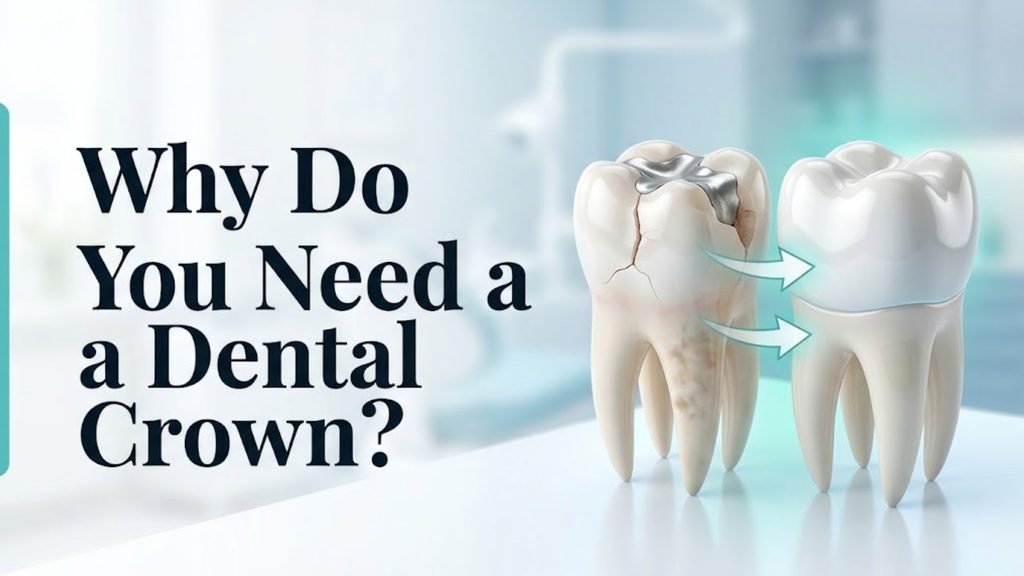
A damaged tooth can become weaker over time, especially when a large cavity or previous filling has removed much of its structure. A crown covers the visible part of the tooth and helps restore its shape, strength, and function. Dentists commonly recommend dental crown treatment for cracked teeth, extensive decay, severely worn enamel, and teeth that need extra protection after certain root canal procedures.
Crowns can also support dental bridges or restore implants that replace missing teeth. However, not every damaged tooth needs a crown. A smaller cavity may only require a filling, while some larger defects can benefit from an onlay. Your dentist will examine the remaining tooth structure and explain which option offers reliable support without removing more healthy tissue than necessary.
What Happens During a Dental Crown Procedure? (Step by Step)
Understanding what to expect during a dental crown procedure can make your appointment feel less stressful. First, your dentist examines the tooth and may take X-rays to check for decay, cracks, or infection. Next, they numb the area and reshape the tooth so the crown fits securely. They then take a digital scan or impression to create a restoration that matches your bite.
For a traditional crown, your dentist may place a temporary dental crown while a dental laboratory makes the final restoration. You’ll return for another appointment to have the permanent crown fitted and secured. With same-day dental crowns, a dentist with suitable equipment can often design and make the crown in one visit. Either way, the dentist checks the fit and bite before completing treatment.
Step 1: Examination and Tooth Preparation
The first step involves checking your tooth, gums, and bite. Your dentist may recommend X-rays when they need to examine the tooth’s roots or surrounding bone. During preparation, they remove damaged tissue and reshape the tooth. This explains how dentists prepare a tooth for a crown while preserving as much healthy structure as possible.
Step 2: Impressions and Crown Design
Next, your dentist records the tooth’s shape using traditional impressions or digital impressions for dental crowns. These records help create a crown that fits your bite and neighboring teeth. If you choose a same-day CEREC crown procedure, digital design and milling can often produce the restoration during the same appointment.
Step 3: Temporary and Permanent Crown Placement
If laboratory fabrication is necessary, your dentist usually fits a temporary restoration to protect the prepared tooth. Follow the temporary crown care instructions they provide, especially when eating sticky or hard foods. At the final appointment, your dentist checks the permanent crown’s appearance, contacts, and bite before securing it in place.
How Much Pain Should You Expect After Getting a Dental Crown?
Some tenderness after treatment is common, but severe pain isn’t something you should simply ignore. You may notice tooth sensitivity after crown placement when drinking cold beverages or eating hot foods. Your gums might also feel sore for a short time. These symptoms often improve gradually, although the exact dental crown recovery time varies from person to person.
So, how long does dental crown pain last after treatment? Mild discomfort may settle within several days, while sensitivity can sometimes last longer. The depth of the original damage and the treatment performed can affect recovery. If symptoms worsen, disturb your sleep, or persist without improvement, contact your dentist rather than assuming the crown simply needs more time.
What Causes Pain After Dental Crown Placement?
Occasionally, pain after dental crown placement develops because the crown sits slightly too high. This can put extra pressure on the tooth when you bite or chew. A high bite after crown placement may cause soreness even when the tooth looks completely normal. Your dentist can assess your bite and perform a dental crown bite adjustment if needed.
Other causes include irritated gums, inflammation inside the tooth, a crack, or an underlying infection. Gum irritation after dental crown treatment may cause tenderness around the edges, while an inflamed tooth nerve under a crown can produce lingering sensitivity or spontaneous pain. In some cases, infection under a dental crown requires further treatment. Persistent or severe symptoms deserve a professional examination.
How to Relieve Dental Crown Pain and Speed Up Recovery
When discomfort begins, start with the instructions your dentist provides. Ask whether over-the-counter pain relief for dental crowns is suitable for you, especially if you take other medicines or have existing health conditions. To understand how to relieve dental crown pain, consider eating softer foods temporarily, avoiding extreme temperatures, and chewing on the opposite side when necessary. A warm saltwater rinse may soothe mildly irritated gums.
Good dental crown aftercare also means brushing gently with fluoride toothpaste and cleaning between your teeth every day. If your temporary crown feels loose or your bite seems uneven, contact your dentist instead of trying to repair it yourself. For dental crown sensitivity relief, use a desensitizing toothpaste if your dentist recommends one. Seek prompt advice if pain increases, swelling develops, or the crown becomes unstable.
What Should You Eat After Crown Treatment?
Eating after getting a dental crown depends on the type of restoration and the instructions you receive. While your mouth remains numb, avoid chewing to prevent accidental injury. With a temporary crown, softer foods are often safer, and sticky sweets may pull the restoration loose. After permanent placement, follow your dentist’s guidance about when normal chewing can resume.
Which Dental Crown Materials Offer the Best Comfort?
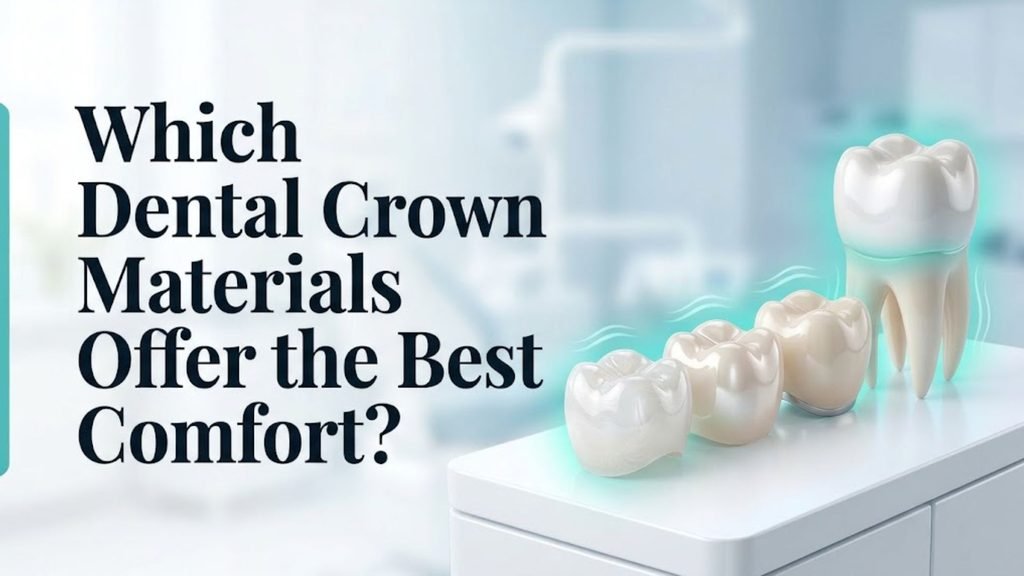
Choosing among crown materials involves more than appearance. Porcelain dental crowns and other ceramic dental crowns can provide a natural look, especially for visible teeth. Zirconia dental crowns offer strength that can make them suitable for many back teeth. Meanwhile, E-max dental crowns use lithium disilicate ceramic and may suit selected cases where appearance matters.
When comparing dental crown materials and comfort, consider tooth location, bite pressure, available space, and your dentist’s recommendation. A porcelain crown versus zirconia crown comparison doesn’t have one universal winner. Both materials can work well when selected for the right tooth and fitted correctly. Your underlying tooth health and the quality of the restoration often influence comfort more than the material alone.
| Crown material | Main advantage | Important consideration |
| Porcelain or ceramic | Natural appearance | Suitability depends on tooth location and bite forces |
| Zirconia | High strength | The specific design and finish affect performance |
| E-max ceramic | Excellent aesthetics | Not ideal for every tooth or bite condition |
| Gold or other metal alloys | Strong and wear-resistant | Metallic appearance may not suit visible teeth |
A crown’s lifespan varies with material, oral hygiene, bite forces, and daily habits. Good dental crown durability depends on both the restoration and the tooth beneath it. Ask your dentist which material suits your clinical needs instead of choosing based on appearance or price alone.
How Much Does a Dental Crown Cost in New Jersey?
The dental crown cost in New Jersey depends on the material, the tooth’s condition, the dentist’s fees, and whether additional treatment is needed. A crown may cost more when the tooth requires a buildup or root canal first. Same-day technology, laboratory fees, and the complexity of the case can also affect your final estimate.
Before choosing a provider, ask for a written breakdown of treatment costs and expected insurance coverage. The dental crown price in New Jersey may differ between practices, so confirm what the quoted fee includes. Ask about deductibles, annual insurance limits, payment plans, and financing. If you’re comparing options around Cedar Knolls or Morristown, consider the treatment plan and follow-up care alongside the price.
Does Dental Insurance Cover a Crown?
Many dental insurance plans provide partial coverage for crowns when treatment meets their criteria for medical necessity. However, coverage varies by plan, and waiting periods, deductibles, annual maximums, and frequency limits may apply. Contact your insurer and dental office before treatment so you understand your expected out-of-pocket costs.
Are There Alternatives to Dental Crowns?
Depending on the amount of damage, dental crown alternatives may preserve more of your natural tooth. A filling can repair smaller cavities, while an inlay or onlay may restore a larger area without covering the entire tooth. Dental bonding for chipped teeth can work well for selected minor defects. Your dentist will assess whether these options offer enough strength for everyday chewing.
Cosmetic treatment also has a place, but veneers versus dental crowns isn’t simply a choice between two attractive restorations. Veneers mainly improve the front surface of suitable teeth, whereas crowns cover more of the tooth. If a tooth cannot be saved, dental implant treatment may replace it with an implant-supported crown. The right option depends on your tooth’s condition, your oral health, and your long-term goals.
When Should You Worry About Dental Crown Pain?
Most mild soreness improves as the tooth and surrounding gums settle. However, increasing pain, persistent throbbing, or discomfort that interferes with sleep deserves attention. These symptoms can indicate a bite problem, nerve inflammation, a damaged restoration, or other dental crown complications. Your dentist can examine the area and determine whether you need an adjustment or further treatment.
Pay particular attention to swelling, pus, fever, or a crown that becomes loose. These symptoms may indicate a dental crown infection or another problem requiring prompt care. Contact your dentist or an emergency dentist for crown pain if symptoms are severe or worsening. Facial swelling accompanied by difficulty breathing or swallowing requires emergency medical attention.
Can a Crown Need Repair or Replacement?
Yes, a crown may need repair or replacement if it cracks, loosens, wears down, or no longer fits properly. Decay can also develop around the edges if bacteria reach the underlying tooth. Your dentist will assess the dental crown fit, the supporting tooth, and surrounding gums before recommending the next step.
How Can You Prevent Dental Crown Pain in the Long Term?
Consistent oral hygiene is one of the simplest ways to protect your crown and the tooth beneath it. Brush twice daily with fluoride toothpaste and clean between your teeth every day. Regular dental checkups help your dentist identify gum problems, bite changes, and early decay. These habits support long-term dental crown care and reduce avoidable problems.
You can also help with preventing dental crown pain by avoiding ice, chewing pens, and biting hard objects. If you grind or clench your teeth, ask whether a custom night guard would help protect your restoration. Don’t ignore new sensitivity or discomfort. Early assessment can prevent a small issue from becoming a more complicated dental problem.
Real Patient Insights: What Does Getting a Dental Crown Feel Like?
Patients often worry most about the injection and drilling before their first crown appointment. With effective numbing, many describe feeling pressure and vibration rather than sharp pain. Afterward, mild tenderness or sensitivity may occur, especially when biting or drinking something cold. Still, each person’s experience differs according to their tooth condition, anxiety level, and treatment needs.
Consider a patient who needs a crown after chipping a molar. They might expect severe pain but experience manageable pressure during treatment and mild soreness afterward. This example illustrates a possible experience, not a verified patient testimonial. If you include a named story, such as Sarah’s experience in Cedar Knolls, obtain permission and confirm the details before presenting it as a real case.
What Can Patient Experiences Teach You?
Patient stories can help you prepare emotionally, but they shouldn’t replace professional advice. Ask your dentist what sensations to expect, how to manage discomfort, and when to call after treatment. Knowing the plan ahead of time can make the appointment feel less uncertain and help you recognize when recovery isn’t progressing as expected.
Is Getting a Dental Crown Painful Enough to Fear?
For most patients, getting a crown is a manageable experience rather than something to fear. Modern numbing techniques help control discomfort during treatment, while careful planning supports a comfortable fit. If you’re still wondering is getting a dental crown painful, remember that some sensitivity afterward is possible, but severe or worsening pain shouldn’t be ignored.
The best approach is to understand your treatment options, follow your dentist’s advice, and attend follow-up appointments when recommended. Whether you need a traditional restoration or CEREC dental crowns, ask questions before treatment and discuss any anxiety openly. If you’re seeking a dentist in Cedar Knolls, New Jersey, choose a qualified professional who explains the procedure, expected recovery, and costs clearly. A well-planned crown can protect a damaged tooth and help you chew comfortably for years.
Frequently Asked Questions
Does getting a dental crown hurt more than getting a filling?
A crown may involve more tooth preparation than a routine filling, depending on the damage. Local anesthesia helps control pain during both procedures. Afterward, sensitivity depends on the tooth’s condition and the treatment performed.
Can I eat normally after dental crown placement?
You can usually return to normal eating once your dentist says it’s safe. Avoid chewing while your mouth remains numb. If you have a temporary crown, choose softer foods and avoid sticky or very hard items.
Is sensitivity after permanent crown placement normal?
Mild sensitivity can occur after treatment, particularly with hot or cold foods. It should generally improve rather than worsen. Persistent pain, swelling, or pain when biting warrants a dental examination.
Does every crowned tooth need a root canal?
No. A crown protects and restores a tooth, but it doesn’t automatically require root canal treatment. A root canal may be necessary if the tooth’s pulp becomes irreversibly inflamed or infected.
How long can a dental crown last?
A crown’s lifespan depends on its material, fit, oral hygiene, and bite forces. With proper care, many crowns last for years, although some require earlier repair or replacement. Regular dental visits help monitor their condition.
