

How Long Can Conjunctivitis (Pink Eye) Live on Surfaces? Understanding Survival, Spread, Cleaning, and Prevention
Introduction: How Long Can Conjunctivitis (Pink Eye) Live on Surfaces?
Someone in your home suddenly develops pink eye, and now you are wondering about every object they touched. Can the phone spread it? What about towels, pillows, or door handles? These questions are common because conjunctivitis transmission often happens through everyday contact.
The answer depends on the cause. How long can conjunctivitis (pink eye) live on surfaces? It varies based on whether the infection comes from a virus, bacteria, or an allergic reaction. Environmental conditions also matter. Temperature, humidity, moisture levels, and the type of surface can change germ survival on surfaces.
Infectious forms such as viral conjunctivitis and bacterial conjunctivitis can spread through contaminated objects. However, allergic conjunctivitis does not spread because it is not caused by a germ. Instead, it happens when your immune system reacts to triggers like pollen or dust.
Understanding pink eye germs on surfaces helps you protect your family. Simple steps like proper cleaning, careful hand hygiene, and avoiding shared personal items can greatly reduce infection risk.
According to the American Academy of Ophthalmology, many cases of pink eye improve with time and proper care. You can learn more from their official resource here: https://www.aao.org/eye-health/diseases/pink-eye-conjunctivitis
| Key Point | Explanation |
| Main concern | How long germs remain active outside the body |
| Higher-risk types | Viral and bacterial conjunctivitis |
| Lower-risk type | Allergic conjunctivitis |
| Main prevention method | Cleaning, hand hygiene, and avoiding eye contact |
Table of Contents
What Is Conjunctivitis (Pink Eye)?

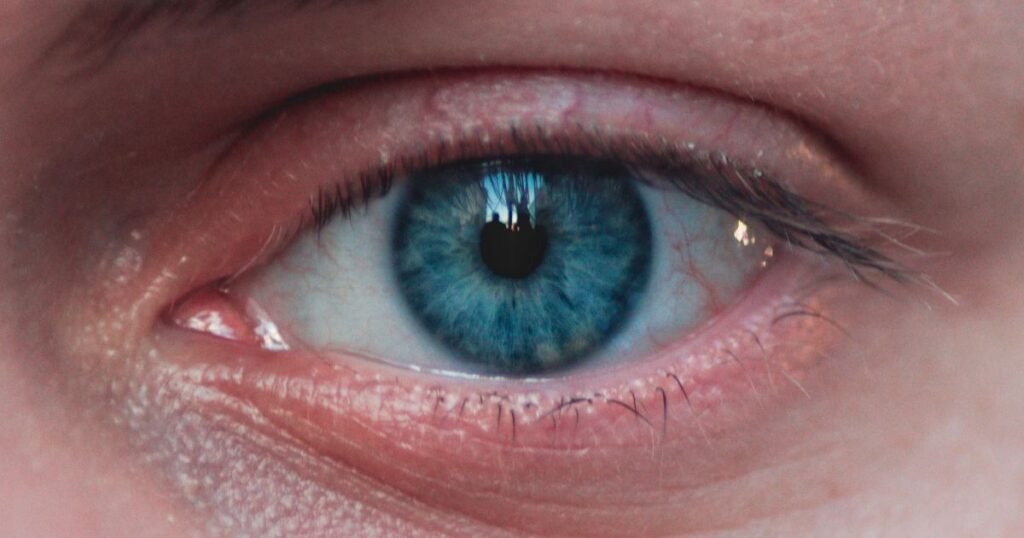
Conjunctivitis is an inflammation of the Conjunctiva, the thin transparent layer that covers the white part of your eye and the inside of your Eyelid. When this tissue becomes irritated or infected, tiny blood vessels become more visible. This creates the familiar red or pink appearance.
Many people recognize Pink eye because of obvious eye redness, but the condition involves more than appearance. The affected eye may feel uncomfortable, watery, itchy, or sensitive. Some people describe a gritty feeling, almost like having sand in the eye.
Common Pink eye symptoms include:
| Symptom | What It Feels Like |
| Red eyes | Visible redness caused by swollen blood vessels |
| Watery eyes | Excess tearing or constant moisture |
| Eye discharge | Sticky fluid around the eye |
| Itchy eyes | Strong urge to rub the eye |
| Burning eyes | Warm or irritated sensation |
| Light sensitivity | Discomfort in bright areas |
| Swollen eyelids | Puffiness around the eye |
The cause of Conjunctivitis determines whether it can spread. Some types are caused by infection while others are caused by irritation or allergies.
An infectious case happens when a Virus, Bacteria, or other Pathogen enters the eye. This creates an Eye infection that can move from one person to another through Germ transmission.
On the other hand, non-contagious conjunctivitis does not involve infectious microorganisms. For example, Allergic conjunctivitis develops because the immune system reacts to environmental triggers.
Causes and Types of Conjunctivitis
The three major categories include viral, bacterial, and allergic forms. Each one behaves differently. Understanding the difference helps you know whether you should worry about surface contamination.
| Type of Conjunctivitis | Main Cause | Contagious? |
| Viral conjunctivitis | Virus, often adenovirus | Yes |
| Bacterial conjunctivitis | Bacterial infection | Yes |
| Allergic conjunctivitis | Environmental triggers | No |
Viral conjunctivitis is the most common infectious type. It often develops from an Adenovirus infection, the same family of viruses that can cause respiratory illnesses. This explains why some people develop pink eye during or after a cold.
Bacterial conjunctivitis happens when bacteria infect the eye. Common bacteria include Staphylococcus aureus and Streptococcus pneumoniae. These infections may produce thicker discharge compared with viral cases.
Meanwhile, Allergic conjunctivitis occurs when your immune system reacts to substances such as pollen, dust, or pet allergens. A Pollen allergy, Dust allergy, or exposure to Pet dander can trigger symptoms. Since no germ causes this type, it does not spread through objects.
Types of Conjunctivitis and How They Spread
Different forms of conjunctivitis follow different transmission patterns. Knowing the type helps explain why some infections remain on surfaces longer than others.
Viral Conjunctivitis
Viral conjunctivitis is often considered a Highly contagious conjunctivitis because viruses can spread easily through hands, objects, and close contact. The most common cause is Adenovirus conjunctivitis.
Adenoviruses are tough microorganisms. They can survive outside the body longer than many people expect. When infected tears or discharge reach objects, viral particles may remain active depending on the environment.
This is why viral pink eye can spread through:
| Transmission Route | Example |
| Touching contaminated objects | Using an infected person’s phone |
| Hand contact | Touching eyes after touching discharge |
| Respiratory droplets | Coughing or sneezing during illness |
| Shared items | Towels or cosmetics |
The connection between pink eye and colds is important. Respiratory virus transmission can occur because some viruses affect both the respiratory system and the eyes.
Bacterial Conjunctivitis
Bacterial conjunctivitis develops when bacteria enter the eye and multiply. Unlike viral infections, bacterial cases often create thicker discharge.
Common bacteria include:
| Bacteria | Description |
| Staphylococcus aureus | Common skin bacteria that can infect the eye |
| Streptococcus pneumoniae | Bacteria linked with respiratory infections |
Bacterial pink eye can spread through eye discharge contamination. If someone touches infected fluid and then touches another surface, bacteria may transfer.
However, bacteria survival time is often shorter than viral survival time. Environmental conditions such as moisture and temperature affect how long bacteria remain active.
Allergic Conjunctivitis
Allergic conjunctivitis works differently because it is an immune reaction rather than an infection.
Common triggers include:
| Trigger | Example |
| Environmental allergies | Seasonal reactions |
| Pollen allergy | Spring and summer allergens |
| Dust allergy | Household particles |
| Pet dander | Animal allergens |
Because there is no infectious agent involved, allergic conjunctivitis is not contagious. It cannot spread through towels, phones, or other objects.
How Long Does Conjunctivitis (Pink Eye) Live on Surfaces?
The question many people search online is simple: How long does conjunctivitis live on surfaces? The answer depends on the organism causing the infection.
The Conjunctivitis survival time can range from several hours to several days. Some viruses remain stable longer than bacteria, especially on hard surfaces.
The Pink eye lifespan outside the body depends on several factors:
| Factor | Effect on Survival |
| Surface type | Hard surfaces may preserve germs longer |
| Humidity | Moist conditions can support survival |
| Temperature | Extreme conditions may reduce survival |
| Cleaning | Proper disinfection removes germs |
Viral Versus Bacterial Pink Eye Survival Time
Viral conjunctivitis usually has a longer virus survival time compared with many bacterial infections. Adenovirus is especially resistant because it has a strong outer structure that helps it remain stable.
People often ask, “How long does adenovirus survive on surfaces?” The answer varies. Under suitable conditions, adenoviruses may remain infectious on some surfaces for days.
A contaminated phone, remote control, or bathroom surface may become a source of hard surface contamination if someone touches it and then touches their eyes.
Bacterial conjunctivitis usually has a shorter survival period. Many bacteria lose their ability to infect within hours, although some may survive longer when moisture is present.
A useful comparison:
| Infection Type | Surface Survival Pattern |
| Viral pink eye | Often survives longer on suitable surfaces |
| Bacterial pink eye | Usually shorter survival period |
| Allergic conjunctivitis | No germ survival |
Remember, finding germs on a surface does not always mean infection will happen. The germ must reach the eye through contact.
What Types of Surfaces Hold Conjunctivitis Germs Longer?
Not every object carries the same level of risk. The answer to how long conjunctivitis lasts on surfaces depends heavily on where the germs land. Some materials allow microorganisms to remain active longer while others naturally reduce survival.
Generally, hard and non-porous materials create better conditions for germ survival on surfaces because viruses and bacteria stay on the outer layer instead of becoming absorbed. Soft materials can trap moisture, but they often make it harder for germs to transfer directly to your eyes.
Hard Surfaces and Pink Eye Germ Survival
Hard surfaces are common places where pink eye germs on surfaces may remain after contamination. These objects are touched repeatedly throughout the day, which increases the chance of eye infection spread.
Common examples include:
| Surface | Why It Matters |
| Phone screens | Frequently touched and placed near the face |
| Smartphones | Can collect germs from hands and surfaces |
| Door handles | Shared by many people |
| Light switches | Frequently touched household objects |
| Remote controls | Shared personal items |
| Keyboards | Regular hand contact during work or study |
| Computer equipment | Can collect microorganisms from repeated use |
| Kitchen counters | Common household contact areas |
| Bathroom surfaces | Moist environments may support survival |
| Plastic toys | Common sources of contact among children |
These objects can become contaminated when someone touches their infected eye and then touches the surface. This creates a pathway for surface contamination.
Children may face a higher risk because they often touch toys, screens, and furniture before washing their hands. This can contribute to school transmission and household spread.
Soft and Porous Surfaces
Soft materials behave differently because they absorb fluids. This can reduce direct contact with germs, although contamination can still happen.
Examples include:
| Porous Surface | Possible Risk |
| Towels | May collect eye discharge and moisture |
| Pillowcases | Close contact with the face |
| Bedding | Requires regular washing |
| Clothing | Can carry microorganisms temporarily |
Porous surface contamination is usually managed through proper laundry practices. Washing fabrics with detergent and appropriate water temperature helps remove infectious material.
A person with pink eye should avoid sharing towels, pillows, or face cloths. These simple steps reduce the chance of cross contamination.
Personal Eye Products Need Extra Care
Some items deserve special attention because they directly contact the eye area.
Examples include:
| Item | Recommended Action |
| Contact lens cases | Replace after infection when advised |
| Contact lenses | Avoid using contaminated lenses |
| Eye makeup products | Replace products used during infection |
| Eye drops | Avoid sharing with others |
Cosmetics such as mascara and liquid eyeliner can trap microorganisms. Reusing contaminated products may cause reinfection even after symptoms improve.
How Does Pink Eye Actually Spread?
Many people ask, “Can pink eye spread through surfaces?” The short answer is yes, especially with infectious forms. However, surfaces are only one part of the transmission process.
How pink eye spreads usually involves a simple chain:
Infected eye → Hands → Contaminated object → Another person’s eye
The infection must travel from the source to the eye. Simply sitting near someone with pink eye does not always cause infection.
Understanding conjunctivitis transmission routes helps you break this chain.
Direct Contact Transmission
The most common route is direct contact with infected fluid. A person with pink eye may touch their eye because of itching or discomfort.
The sequence often looks like this:
| Step | What Happens |
| 1 | Person touches infected eye discharge |
| 2 | Germs transfer to fingers |
| 3 | Fingers touch objects |
| 4 | Another person touches the object |
| 5 | Germs reach their eye |
This process is called hand-to-eye transmission. It is one of the main reasons proper hand hygiene matters.
Eye Discharge and Shared Items
Eye discharge contamination is a major concern because tears and mucus can contain infectious microorganisms.
Common sources include:
- Towels
- Pillowcases
- Makeup
- Contact lens supplies
- Phones
- Toys
Sharing these items increases family infection risk because multiple people come into contact with the same surfaces.
A child with pink eye may unintentionally spread germs through toys or tablets. This is why parents often need extra attention toward cleaning shared objects.
Respiratory Droplets and Viral Spread
Some cases of pink eye are linked with respiratory infections. Respiratory droplets from coughing and sneezing can spread viruses that later affect the eyes.
This is common with viral conjunctivitis caused by adenoviruses.
The same virus may move through:
- Cough and sneeze transmission
- Contaminated hands
- Shared household objects
This explains why viral pink eye outbreaks can occur in schools, workplaces, and families.
How Do You Clean and Disinfect Surfaces After Pink Eye Exposure?
Many people search for “How to clean a house after pink eye?” The goal is not to create a sterile environment. Instead, focus on removing germs from frequently touched areas.
Effective cleaning combines regular washing with proper surface disinfection.
A quick wipe with water may remove visible dirt, but it may not eliminate infectious microorganisms. Proper technique matters.
Cleaning Hard Surfaces After Conjunctivitis
For household items, use appropriate household disinfectants according to the product instructions.
Common options include:
| Cleaning Method | Use |
| Bleach | Effective disinfecting option when properly diluted |
| Diluted bleach cleaner | Used for suitable hard surfaces |
| Alcohol-based disinfectant | Useful for many household items |
| 70% alcohol disinfectant | Effective for many surfaces |
| Soap and water | Removes germs from washable items |
When using Bleach, follow safety instructions carefully. Never mix bleach with other cleaning products because dangerous chemical reactions can occur.
A properly prepared bleach solution may help reduce viral contamination on suitable surfaces.
Cleaning Fabrics and Personal Items
Fabrics require different methods because they cannot always be wiped with disinfectants.
Important steps include:
| Item | Cleaning Approach |
| Towels | Wash separately when possible |
| Pillowcases | Use laundry detergent |
| Bedding | Regular washing reduces contamination |
| Clothing | Follow fabric care instructions |
Laundry hygiene is especially important because towels and bedding touch the face.
Use hot water washing when the fabric allows it. A normal wash cycle with laundry detergent can remove many microorganisms.
Contact Lens and Makeup Safety
Eye-related products need special care because they can directly introduce germs back into the eye.
If someone had pink eye:
- Replace used eye makeup.
- Clean or replace contact lens supplies.
- Avoid sharing eye drops.
- Follow proper contact lens hygiene.
A contaminated contact lens case can become a hidden source of repeated infection.
How Often Should You Clean Surfaces With Pink Eye?
The answer depends on contact frequency. You do not need to disinfect every item constantly.
Focus on high-touch objects during active infection:
| Clean More Often | Reason |
| Phone screens | Frequent hand and face contact |
| Door handles | Shared contact |
| Bathroom surfaces | Moist environment |
| Remote controls | Shared household use |
| Keyboards | Frequent touching |
These infection control practices help stop conjunctivitis transmission while keeping daily life practical.
Small Daily Habits That Help Stop Conjunctivitis Spread
Stopping pink eye from spreading often comes down to simple habits. You do not need complicated routines. Consistent eye hygiene and personal hygiene habits can greatly reduce the chance of passing germs between family members.
The most important step is proper hand washing. Your hands act like a bridge between surfaces and your eyes. If germs reach your fingers and you touch your face, infection can happen quickly.
The Centers for Disease Control and Prevention (CDC) recommends regular hand cleaning to reduce the spread of infectious illnesses. More information is available here:
Everyday Prevention Steps for Pink Eye
Small actions can make a big difference when someone in your home has contagious pink eye.
| Habit | Why It Helps |
| Hand washing with soap and water | Removes germs from hands |
| Avoid touching eyes | Reduces hand-to-eye transmission |
| Avoid sharing towels | Prevents direct contact transmission |
| Clean contact lens cases | Reduces bacterial contamination |
| Replace eye makeup | Prevents reinfection |
| Use separate personal items | Lowers household infection risk |
A person with pink eye should try not to rub their eyes. Rubbing feels natural because of itching and discomfort, but it spreads germs from the eye to the hands.
If discharge appears, use a clean tissue and throw it away immediately. Reusing tissues can increase cross contamination.
How Families Can Prevent Pink Eye at Home
Households often experience higher risk because people share spaces and objects. Children especially may spread infection because they frequently touch their eyes and forget hand cleaning.
Parents can reduce family infection risk by creating simple routines:
| Situation | Safer Practice |
| Child has pink eye | Use separate towels and bedding |
| Shared electronics | Clean phones and tablets regularly |
| Eye drops needed | Do not share bottles |
| Contact lenses used | Follow strict lens hygiene |
During active infection, avoid sharing:
- Towels
- Pillowcases
- Cosmetics
- Contact lens supplies
- Personal eye products
These steps are practical ways to prevent pink eye spread without disrupting normal family life.
Preventing Spread in Schools and Workplaces
Pink eye can move quickly in crowded environments. Schools, daycare centers, and workplaces involve frequent contact with shared surfaces.
Common risks include:
- Shared keyboards
- Classroom materials
- Toys
- Door handles
- Computer equipment
Good hygiene practices help reduce school transmission and workplace transmission.
If symptoms are severe, staying home may reduce the chance of spreading infection to others. This is especially important for viral cases because viral conjunctivitis may remain contagious while symptoms continue.
Diagnosing Conjunctivitis: How Doctors Identify the Cause
Many people assume every red eye is pink eye. However, several eye conditions can look similar. Proper diagnosing conjunctivitis helps doctors identify the correct cause and choose suitable treatment.
An experienced Eye doctor begins with a detailed conversation about symptoms. They ask when redness started, whether discharge is present, and whether there was recent exposure to someone with pink eye.
A complete evaluation helps separate simple conjunctivitis from more serious eye problems.
Eye Examination and Clinical Evaluation
During an eye examination, a healthcare professional checks the appearance and function of the eye.
An Ophthalmologist or Optometrist may evaluate:
| Area Checked | Purpose |
| Eye redness | Determines inflammation level |
| Eye discharge | Helps identify possible infection type |
| Vision | Checks for changes |
| Eyelids | Looks for swelling or irritation |
| Cornea | Checks for deeper problems |
A Slit lamp examination may be used to examine the eye structures in detail. This tool allows doctors to view the Cornea, conjunctiva, and other parts of the eye with magnification.
Viral, Bacterial, and Allergic Diagnosis
Doctors use symptoms to perform a differential diagnosis. This means comparing different conditions that may cause similar signs.
| Type | Common Clues |
| Viral conjunctivitis | Watery discharge, often linked with cold symptoms |
| Bacterial conjunctivitis | Thicker discharge, crusting around eyelids |
| Allergic conjunctivitis | Itching, allergy triggers, usually both eyes |
A viral case may suggest an Adenoviral infection, especially when redness occurs alongside respiratory symptoms.
A bacterial case may involve a Bacterial eye infection requiring evaluation for possible treatment.
When Additional Testing Is Needed
Most cases can be diagnosed through examination alone. However, doctors may recommend additional testing when symptoms are unusual.
Testing may be considered when:
- Symptoms are severe
- Infection keeps returning
- The patient is very young
- Treatment does not work
- A serious condition is suspected
Doctors may investigate conditions such as:
- Corneal ulcer
- Herpes simplex keratitis
- Severe bacterial infection
- Eye injury-related problems
Accurate eye infection diagnosis protects vision and prevents complications.
Treatment and Management of Conjunctivitis
The best conjunctivitis treatment depends on the cause. Viral, bacterial, and allergic forms require different approaches. Treating every red eye with antibiotics is not always appropriate.
Good eye care management focuses on reducing discomfort, preventing spread, and supporting natural healing.
Many mild cases improve with time. However, proper guidance helps avoid unnecessary complications.
Viral Conjunctivitis Care
Viral conjunctivitis care usually focuses on symptom relief. Most viral infections improve as the immune system clears the virus.
Common supportive measures include:
| Treatment | Purpose |
| Artificial tears | Reduce dryness and irritation |
| Cold compresses | Calm swelling and discomfort |
| Clean tissues | Remove discharge safely |
| Good hygiene | Prevent spread |
Because viruses do not respond to antibiotics, antibiotic eye drops usually do not help viral infections.
Bacterial Conjunctivitis Treatment
Bacterial conjunctivitis treatment may involve prescription medication depending on the severity and patient factors.
Doctors may recommend Antibiotic eye drops when bacterial infection is likely or when symptoms are significant.
Common bacterial causes include:
- Staphylococcus aureus
- Streptococcus pneumoniae
Following the prescribed treatment plan is important. Stopping medication too early may increase the chance of continued infection.
Managing Allergic Conjunctivitis
Allergic conjunctivitis requires a different strategy because there is no infection.
Management often involves reducing exposure to triggers such as:
- Pollen
- Dust
- Pet allergens
People with environmental allergies may benefit from allergy management plans recommended by healthcare professionals.
General Symptom Relief Tips
Regardless of cause, several steps can improve comfort:
| Support Method | Benefit |
| Clean eyelids gently | Removes discharge |
| Avoid rubbing eyes | Reduces irritation |
| Use clean towels | Prevents spread |
| Follow medical advice | Supports recovery |
The goal of treatment is not only symptom relief. It also includes preventing eye infection spread and protecting long-term eye health.
When Should You Seek Medical Attention for Pink Eye?
Most mild cases of pink eye improve without serious problems. However, some symptoms require professional evaluation. Knowing when to see an eye doctor can protect your vision.
You should seek urgent eye care if symptoms seem unusual or severe.
Warning Signs That Need Medical Attention
| Warning Sign | Why It Matters |
| Severe eye pain | May suggest deeper eye problems |
| Blurred vision | Can indicate vision involvement |
| Vision changes | Requires professional assessment |
| Strong light sensitivity | May suggest another condition |
| Eye injury | Needs evaluation |
| Newborn pink eye | Requires prompt care |
| Contact lens-related eye infection | Higher risk of complications |
A simple case of irritation usually feels uncomfortable. However, serious symptoms should never be ignored.
Conditions That Can Look Like Pink Eye
Some serious conditions can resemble conjunctivitis. These include:
- Corneal ulcer
- Herpes simplex keratitis
- Contact lens-related infections
- Eye injuries
These conditions may require specialized treatment and immediate evaluation.
A professional examination helps determine whether you have ordinary pink eye or a more serious issue.
How Urgent Eye Care Can Help
A healthcare professional can quickly assess symptoms, perform testing, and recommend appropriate care.
An Eye doctor, Ophthalmologist, or Optometrist can provide:
- Eye examination
- Diagnosis confirmation
- Treatment recommendations
- Follow-up care
If symptoms involve pain, vision changes, or worsening redness, do not delay medical attention.
Conclusion: Protecting Yourself From Conjunctivitis Spread
The answer to “How long can conjunctivitis (pink eye) live on surfaces?” depends on the cause. Viral infections, especially Adenovirus conjunctivitis, may survive longer on some objects than many people expect. Bacterial infections usually have shorter survival periods.
However, surface survival is only one part of the story. Good hygiene, proper cleaning, and avoiding shared personal items play a major role in reducing spread.
Regular hand washing, cleaning frequently touched objects, and following proper eye care habits can help protect your household. If symptoms become severe or unusual, professional evaluation remains the safest choice
Frequently Asked Questions About Pink Eye
How long does pink eye stay contagious?
The contagious period depends on the cause. Viral cases may remain contagious while symptoms continue. Bacterial cases often become less contagious after appropriate treatment begins.
Can you get pink eye from touching objects?
Yes. Can pink eye spread through surfaces? It can when infectious germs move from contaminated objects to your hands and then to your eyes.
Does pink eye live on towels?
Yes. Towels can become contaminated because they collect moisture and eye discharge. Avoid sharing towels during infection.
How long does bacterial conjunctivitis last?
Many bacterial cases improve within several days, especially with appropriate treatment when needed.
How long does viral pink eye survive?
How long does viral pink eye survive? It depends on the virus and environment. Adenoviruses can remain infectious longer than many other viruses.
How to disinfect surfaces after conjunctivitis?
Use appropriate cleaning products, follow instructions, wash fabrics, and clean high-touch items regularly.
Can pink eye damage your vision?
Most cases do not damage vision permanently. However, severe symptoms such as vision changes require medical evaluation.
