Mental Health Awareness Color and Its Impact: Your Complete US Guide!
Welcome to the vibrant and meaningful world of mental health advocacy! Mental health is such an incredibly important topic today. However, figuring out the right symbols to use when showing your support can sometimes feel a bit confusing.
You will soon discover the official mental health awareness color and the fascinating history behind it! We will explore practical ways you can get involved in your local community. Grab a cup of tea, and let’s dive right into this wonderful journey!
What Is the Official Color for Mental Health Awareness?
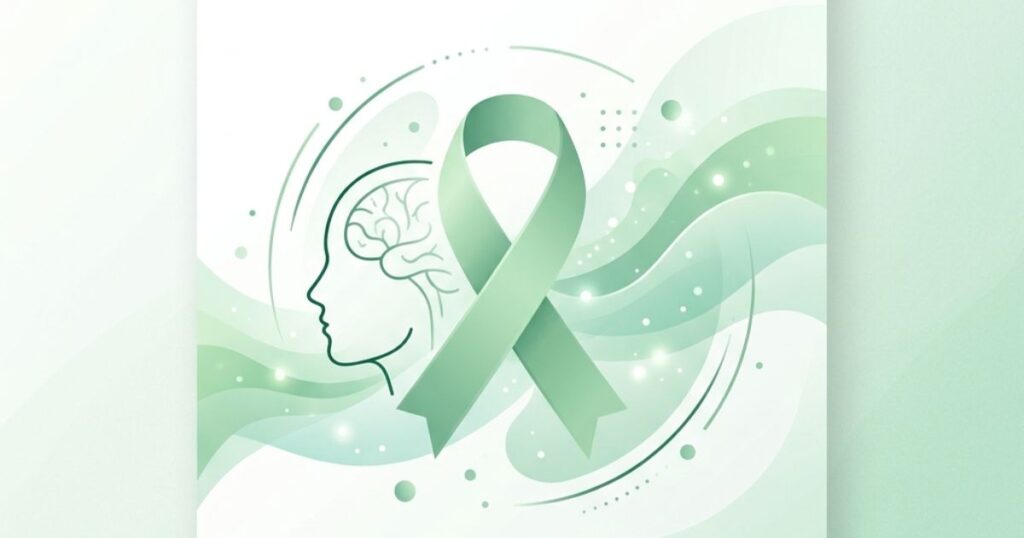
Have you ever wondered what color is mental health awareness? Well, green is the designated color for mental health awareness! This vibrant shade unites advocates across the entire country with a shared message of hope.
Seeing this bright hue everywhere truly brings a smile to my face! The official color for mental health awareness gives everyone a powerful, visible way to show they care. It creates an instant connection between strangers who want to spread love and kindness.
Unveiling the Mental Health Awareness Color
The mental health awareness color is a universally recognized symbol that sparks important dialogues. When you wear green, you tell the world that you stand for mental well-being! This simple choice helps everyone feel seen, heard, and deeply supported in their daily lives.
What Green Symbolizes for Emotional Well-being
Green symbolizes renewal, healing, and growth in such a beautiful way! The significance of green relates directly to the fresh, calming energy we find in nature. Don’t you just feel more peaceful looking at a lush, beautiful green forest?
The History and Meaning Behind the Green Ribbon
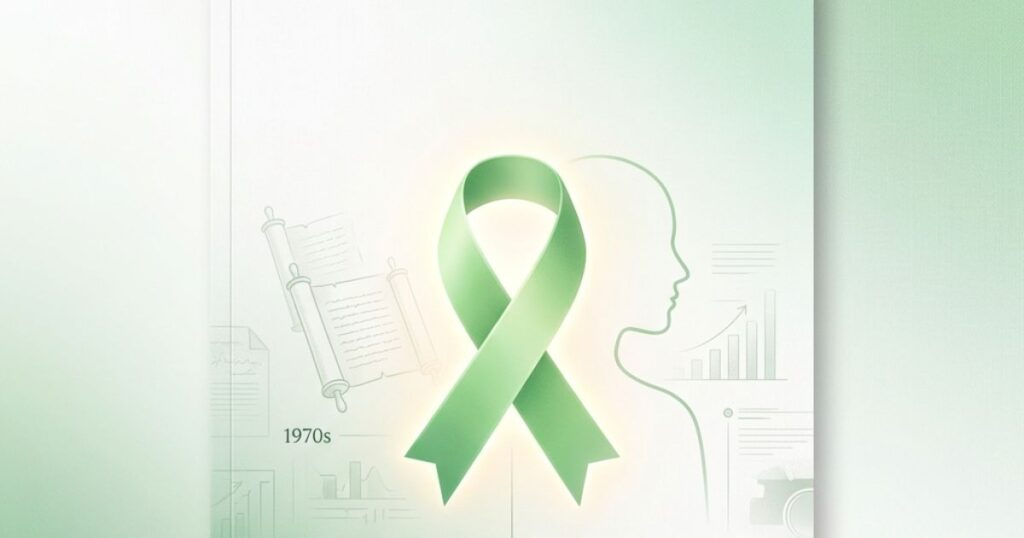
The green ribbon mental health emblem carries a rich and inspiring history! Decades ago, advocates chose this symbol to represent a united front for mental well-being. Today, the green ribbon is a symbol of mental health awareness worldwide.
Green ribbon symbolism represents a firm commitment to understanding those struggling with mental illness. I remember seeing my first green ribbon at a local walk, and it felt so empowering! Wearing one reminds us that compassion can truly change lives.
The Origins of the Green Ribbon for Mental Health
Advocates introduced the green ribbon to bring invisible struggles out into the bright light! This small but mighty emblem transformed how society views emotional well-being and recovery and healing. It quickly became a historic symbol of solidarity that we still cherish today.
Breaking the Stigma Around Depression
Did you know the green ribbon represents depression awareness as well? Pinning a depression awareness ribbon to your favorite jacket is a fantastic conversation starter! Open conversations about mental health are the absolute best way to break down harmful barriers.
Other Mental Health Awareness Colors and Their Symbolism
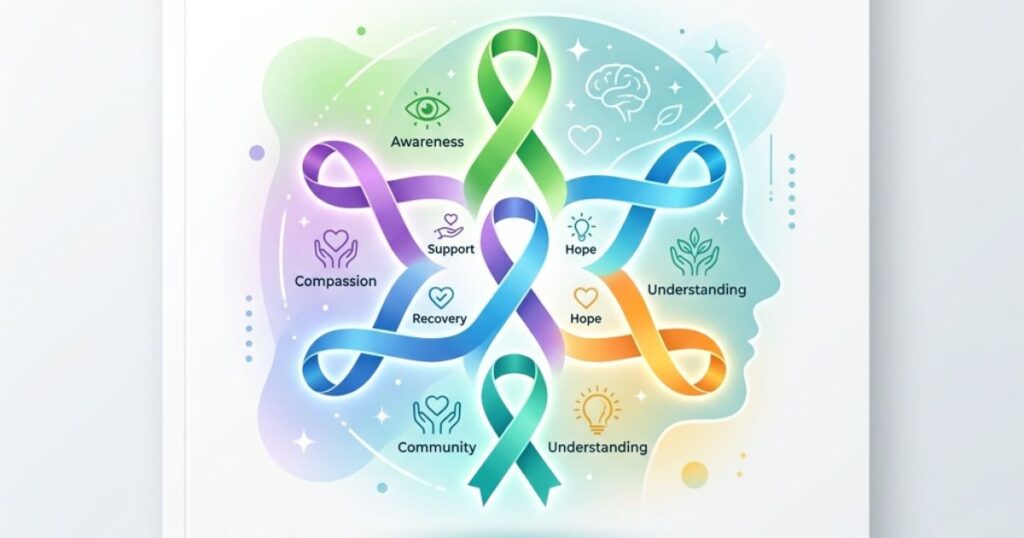
While green takes center stage, other amazing mental health ribbon colors exist too! Each unique shade represents different conditions, creating a colorful tapestry of love and advocacy. I love how every single color tells its own deeply personal story!
Using various mental health awareness colours allows communities to highlight specific challenges. Whether raising mental illness awareness or funding research, these bright ribbons unite us all. They remind everyone that no one ever has to fight their battles alone!
Light Green Ribbons and What They Mean
A light green ribbon typically represents childhood depression and bipolar disorder. Wearing this softer shade shows your support for families navigating these specific challenges. It is a beautiful way to spread mental health education and compassion in your neighborhood!
The Beautiful Calming Blue and Uplifting Yellow
Blue is associated with calmness and stress relief, often representing PTSD awareness. Meanwhile, yellow is linked to optimism and happiness, serving as the vibrant symbol for suicide prevention! Both colors offer incredible mental health support and foster a deeply supportive society.
How Color Psychology Influences Mood and Well-being
The influence of color on mental health is truly fascinating and powerful! Color influences mood and emotional well-being in ways we might not even realize. The shades we surround ourselves with can actually change how we feel every single day!
I always find that stepping into a brightly colored room instantly lifts my spirits. The impact of colors on mood proves that our environment greatly affects our minds. Choosing the right hues can bring absolute joy into your everyday routine!
The Impact of Colors on Mood
Warm tones can energize us, while cool tones lower anxiety and stress levels. Color psychology supports relaxation and balance, making it a great tool for self-care! Red can increase alertness and energy, but softer shades provide the peace we often crave.
Why Calming Colors Matter in Our Homes
I highly recommend painting a bedroom a soft sage green or a light blue! These calming colors create your very own little sanctuary for rest and relaxation. Purple is connected with creativity and inner peace, making it perfect for a cozy reading nook!
The Role of Color Therapy in Mental Health Treatment
Color therapy, or chromotherapy, is a wonderful complementary tool for emotional health. Color therapy may help improve mental well-being by using the visible light spectrum! Many professionals incorporate this practice to boost a patient’s overall mood and outlook.
I think it is amazing how targeted light exposure can revitalize our minds! Understanding color and well-being allows us to use light purposefully during dark winter months. It is an exciting, innovative approach to supporting ongoing mental health recovery!
Amazing Color Therapy Benefits
Exposure to specific colors can combat Seasonal Affective Disorder, especially during long US winters! Because green has a calming and refreshing effect, therapists frequently use it to reduce stress. It feels like bringing a warm, sunny spring day right indoors!
Integrating Color Psychology in Mental Health Care
Hospitals intentionally use green and blue paint to foster a peaceful mindset for patients. These thoughtful design choices greatly enhance standard support for mental illness. Creating a serene atmosphere makes the healing journey much more comfortable and inviting!
Key Mental Health Awareness Months and Major Campaigns
The US hosts incredible, dedicated times of the year to rally together! Mental health awareness campaigns encourage us to share stories and wear our favorite colors. These exciting events bring entire cities together for a truly wonderful cause!
Mental health initiatives provide essential resources and fund life-saving community programs. Mental health campaigns help reduce stigma by educating the public in fun, engaging ways. I absolutely love seeing local parks filled with enthusiastic, supportive crowds during these months!
Celebrating Mental Health Month in May
Mental Health Month is observed in May with inspiring walks and fantastic educational events! This campaign focuses on awareness and advocacy to create a highly supportive environment. You can easily participate by joining a local march or simply wearing a green shirt!
Honoring National Minority Mental Health Month
National Minority Mental Health Month is observed in July to address unique community challenges! This vital campaign highlights how disparities impact minority groups across the nation. Awareness campaigns promote education and support, ensuring every single voice gets heard and valued!
How Cultural Diversity Impacts Mental Health and Stigma
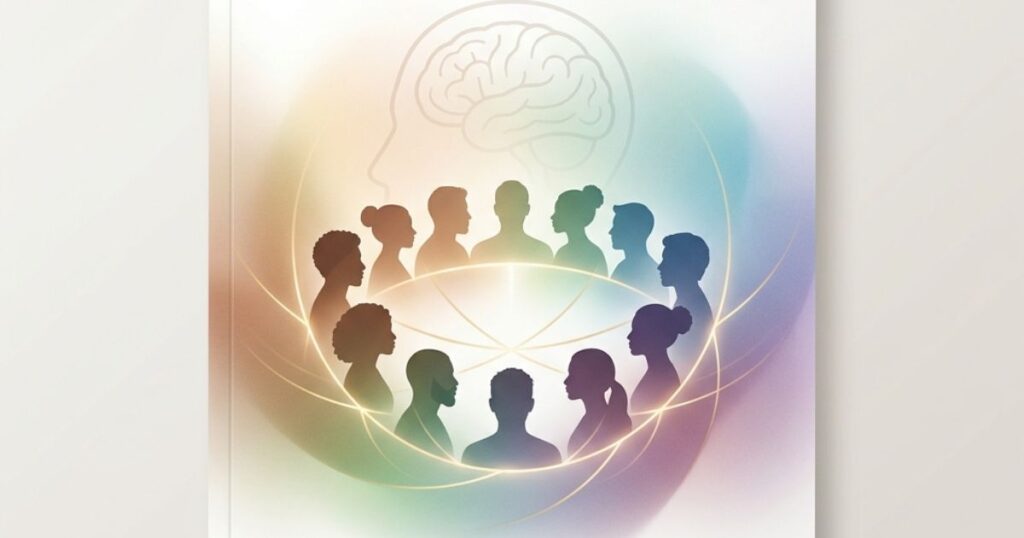
Understanding cultural diversity in mental health is absolutely essential for everyone! Cultural beliefs shape mental health perceptions in very unique and deeply personal ways. We must create a welcoming, supportive environment that truly respects all cultural backgrounds!
Cultural impacts on mental health include differing family values, traditions, and historical experiences. Discrimination and racism affect mental health outcomes, making culturally sensitive care incredibly important. When we embrace our differences, we build much stronger, more resilient communities together!
Cultural Impacts on Mental Health Care
Different communities across the US perceive and discuss emotional struggles in varying ways. Social context influences suicide rates and trauma exposure, which requires highly customized care approaches. Recognizing these unique perspectives ensures that everyone receives the exact help they need!
Overcoming Stigma Together
Stigma and mental health care unfortunately still clash in many parts of the country. Stigma can delay treatment-seeking behavior, which is why community support is so crucial! Culturally sensitive care improves mental health support, breaking down barriers and building lasting trust!
Practical Ways to Show Support Using Awareness Colors
It is so easy and fun to incorporate these colors into your life! Awareness colors encourage solidarity and public support in the simplest, most beautiful ways. You can make a massive difference just by changing your outfit for the day!
I always keep a stash of green ribbons ready for my friends and family! Visual symbols help spark conversations about mental health while waiting in line for coffee. Small gestures truly add up to create a massive wave of positive change!
Wearing and Sharing the Green Ribbon
Wearing green shoelaces, vibrant shirts, or colorful bracelets makes advocacy incredibly fun! Handing out ribbons at your workplace is a brilliant way to spread important mental health resources. “Wear Green” days easily boost morale and show your coworkers that you truly care!
Lighting Up Your Community in Green
Major US landmarks beautifully light up in bright green every single May! You can easily join the fun by installing a green porch light at your house. This glowing beacon of hope shows your neighbors that your home is a safe space!
Why Visual Representation Matters for Advocacy and Recovery
Seeing mental health colors proudly displayed gives struggling individuals so much hope! Community support is essential for mental health advocacy and ensures no one feels isolated. Visual representation actively proves that a massive, loving support system exists right nearby.
I truly believe that visibility saves lives and inspires incredible personal growth. Because mental health disorders affect people worldwide, addressing global mental health starts with local visibility. Let’s proudly display our colors to foster an environment of radical love and acceptance!
Building a Community of Support and Solidarity
Visual cues instantly create a deep sense of belonging for those who feel alone. When someone sees your green ribbon, they immediately know they have a friend.
| Benefit of Visual Representation | How It Helps |
| Sparks Conversation | Makes it easier to talk about feelings! |
| Shows Solidarity | Proves that no one fights alone! |
| Reduces Stigma | Normalizes emotional struggles everyday! |
Inspiring Open Conversations About Mental Health
A simple splash of green can quite literally save lives by starting life-changing dialogues! Reducing mental health stigma happens one friendly, open conversation at a time. Go grab your brightest green shirt today, and let’s spread joy, understanding, and endless support!
FAQ
What is the color for mental health?
Green is the official, vibrant color for mental health awareness! It’s a wonderful symbol that unites advocates and brings a message of hope and healing to everyone.
What color indicates mental health?
A bright, refreshing green indicates mental health support and awareness! Seeing this calming hue everywhere reminds us that we are never alone in our everyday struggles.
What color heart is mental health?
The green heart emoji (💚) is the absolute best way to show your mental health support online! I love using it in texts to send a little extra love and solidarity to friends who might be having a hard day.
Does mental health have a color?
Yes, it absolutely does! Green is universally recognized as the beautiful, designated color for mental health, making it so easy for us to proudly show we care.
Which color is best for mental health?
While green is the official awareness color, soft greens and calming blues are amazing for promoting personal relaxation! I highly recommend decorating your favorite room in these soothing shades to create your very own peaceful sanctuary.
What are the 12 important colors?
The 12 key colors on the traditional color wheel include the three primary (red, yellow, blue), three secondary (green, orange, purple), and six tertiary colors! They are an amazing, essential tool for understanding how different shades can beautifully influence our moods and spaces.
